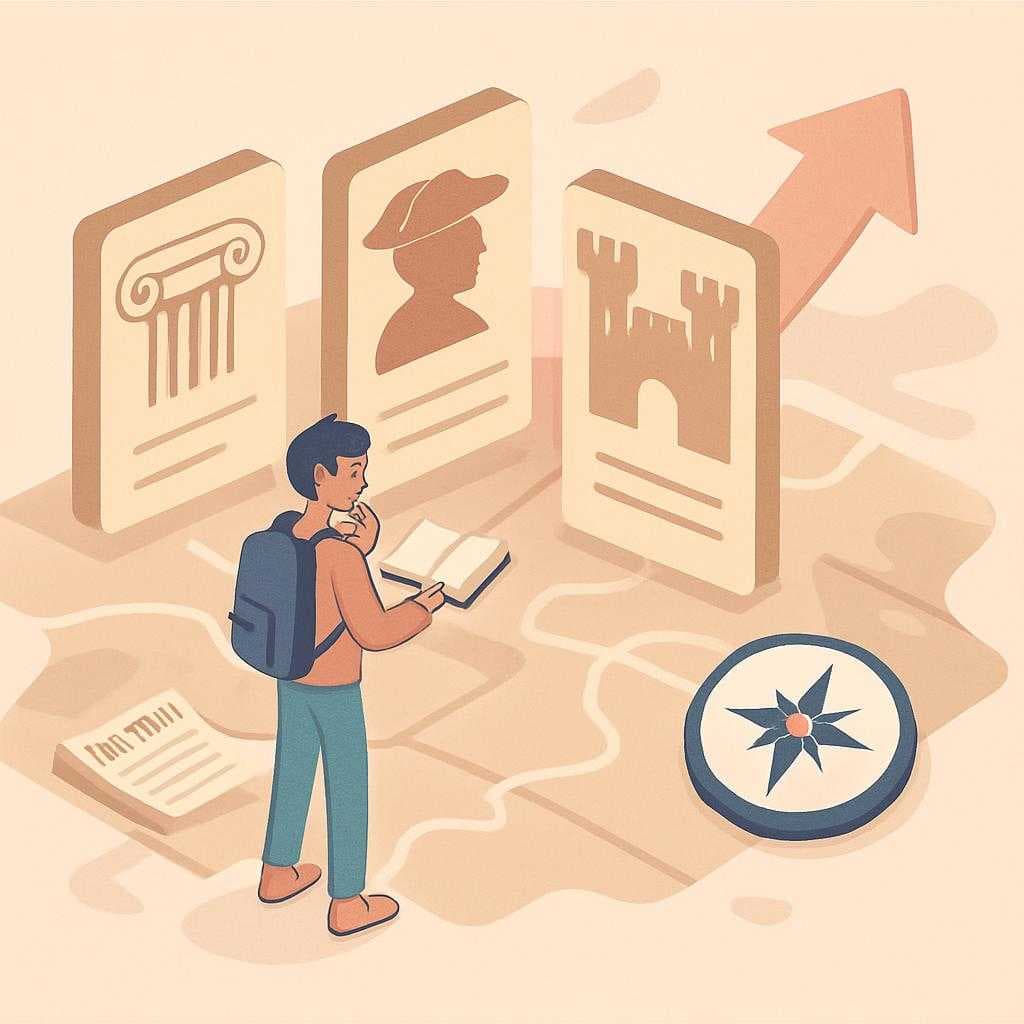
Navigating GCSE History: Mastering Multiple Exam Boards with Confidence
Summary
Discover how to excel in GCSE History across different UK exam boards. Learn strategies to tackle AQA, Edexcel, and OCR specifications with confidence, ensuring you achieve top grades.
Navigating the diverse landscape of GCSE History can feel daunting, especially with multiple exam boards like AQA, Edexcel, and OCR each having unique specifications and question styles. However, with targeted strategies and an understanding of these differences, you can master your history exams and achieve top marks.
Understand the Specifications
Each exam board has its own set of topics and themes. AQA, for example, often emphasizes British history, while Edexcel might include a broader global perspective. OCR offers a mix of both. Start by familiarizing yourself with the specific topics covered by your exam board. This will help you focus your revision on relevant content, saving time and effort.
Analyze Past Papers
Past papers are invaluable for understanding the structure and style of questions you’ll encounter. AQA tends to favor source-based questions, requiring skills in interpretation and analysis. Edexcel may include more thematic essays, while OCR often combines both approaches. Practicing past papers helps you become comfortable with these formats and identify common question types.
Develop a Revision Plan
Create a structured revision plan that covers all necessary topics. For AQA, prioritize mastering British political history themes. If you’re with Edexcel, ensure you have a good grasp of international events and their impacts. OCR students should prepare for a mix of both. Allocate time for each topic, incorporating regular reviews to retain information.
Master Time Management
Time management is crucial during exams. Practice completing past papers within the set time limits. Break down the time you should spend on each question based on marks available. This will help you avoid spending too long on one question and ensure you can complete your paper.
Use a Variety of Resources
Diversify your study materials. Use textbooks, but also explore documentaries, podcasts, and historical articles to gain different perspectives. This can enhance your understanding and make your revision more engaging.
Join Study Groups
Collaborating with peers can provide new insights and help clarify difficult concepts. Discussing topics with others can reinforce your knowledge and expose you to different viewpoints, which is particularly helpful for essay-based questions.
Seek Feedback
Regular feedback from teachers can pinpoint areas for improvement. Whether you’re writing essays or answering source questions, constructive criticism will guide you in refining your answers.
By understanding the specific requirements of your exam board, practicing past papers, and using diverse resources, you can navigate the complexities of GCSE History with confidence. These strategies will equip you to tackle any exam board and achieve success in your history exams.