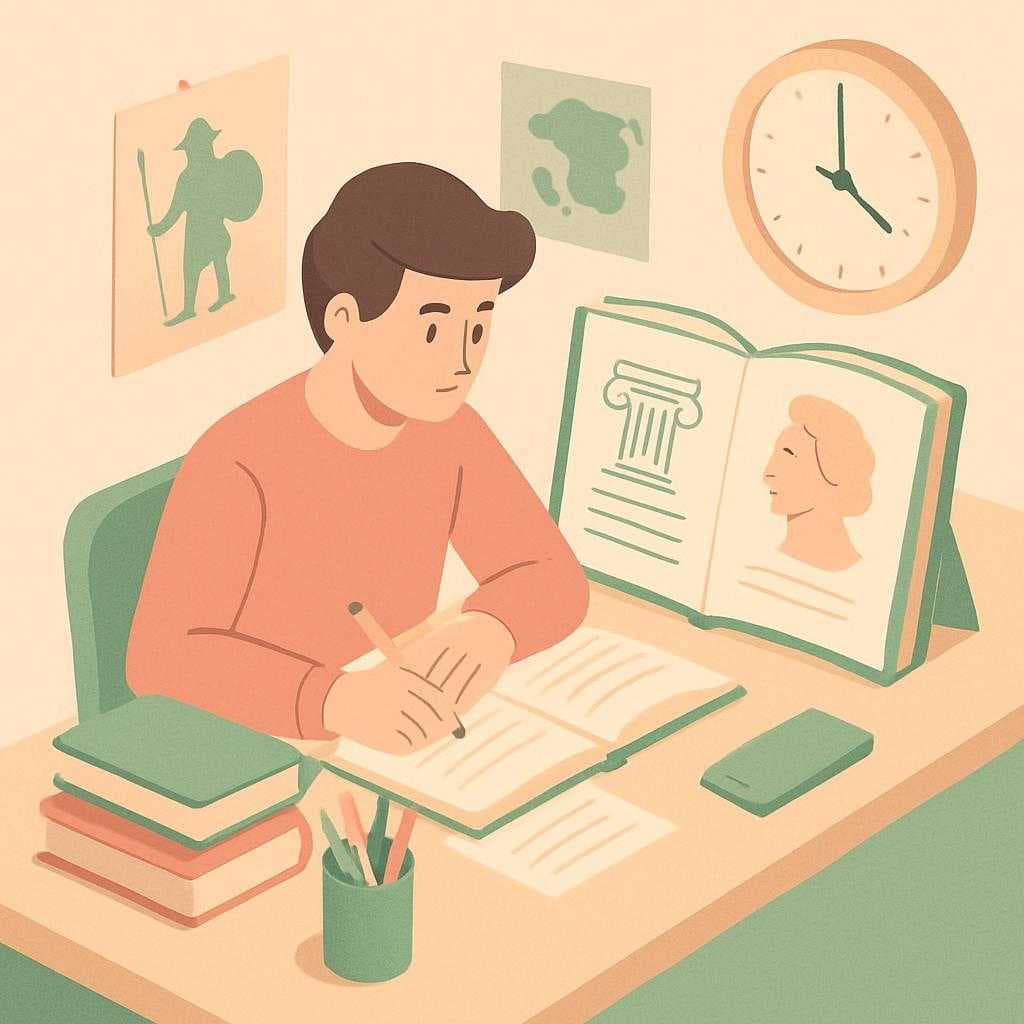
A-Level History: Mastering the Art of Historical Revision for Exam Success
Summary: Discover effective revision strategies specifically tailored for A-Level History, helping you excel in exams conducted by OCR, AQA, and Edexcel.
Studying A-Level History in the UK can be both a challenging and rewarding journey. As students prepare for exams with well-known exam boards such as OCR, AQA, and Edexcel, it’s crucial to develop effective revision strategies that can help you understand and retain vast amounts of historical information. Here are some unique strategies to enhance your revision process and boost your exam performance.
Understand Exam Board Specifications
Each exam board has its own set of specifications that outline what you need to know. Familiarize yourself with these guidelines, whether you’re studying with OCR, AQA, or Edexcel. Understanding these specifications can help you focus your revision on the most relevant topics, ensuring you cover all necessary themes and periods.
Create a Revision Schedule
Time management is vital when revising for A-Level History. Start by creating a revision timetable that allocates specific time slots for each topic. Ensure you balance your time across different historical periods and themes, enabling you to cover the entire syllabus. Break down your study sessions into manageable chunks, allowing for breaks to keep your mind fresh.
Engage with Past Papers
Past papers are an invaluable resource for A-Level History students. They provide insight into the types of questions you may encounter and help you practice exam techniques. Regularly attempting past papers from OCR, AQA, and Edexcel can enhance your understanding of question formats and improve your time management skills during the actual exam.
Utilize Active Learning Techniques
Passive reading of textbooks can be monotonous and less effective. Instead, engage in active learning by creating mind maps, flashcards, and timelines. These techniques help you visualize historical events and their connections, aiding in better retention and understanding. Additionally, discussing topics with peers can deepen your comprehension and uncover new perspectives.
Focus on Key Skills
A-Level History exams assess various skills, including analysis, evaluation, and argumentation. Practice these skills by writing essays and constructing well-structured arguments. Pay attention to how you use evidence from primary and secondary sources to support your points, as this is a critical component of success in history exams.
Review and Reflect
Regularly review what you’ve learned and reflect on your progress. Identify areas where you feel less confident and allocate more time to those topics. Self-assessment can help you pinpoint weaknesses and ensure your revision is well-rounded and comprehensive.
By mastering these revision techniques, A-Level History students can prepare effectively for their exams, whether with OCR, AQA, or Edexcel. With dedication and strategic planning, achieving exam success is within reach.