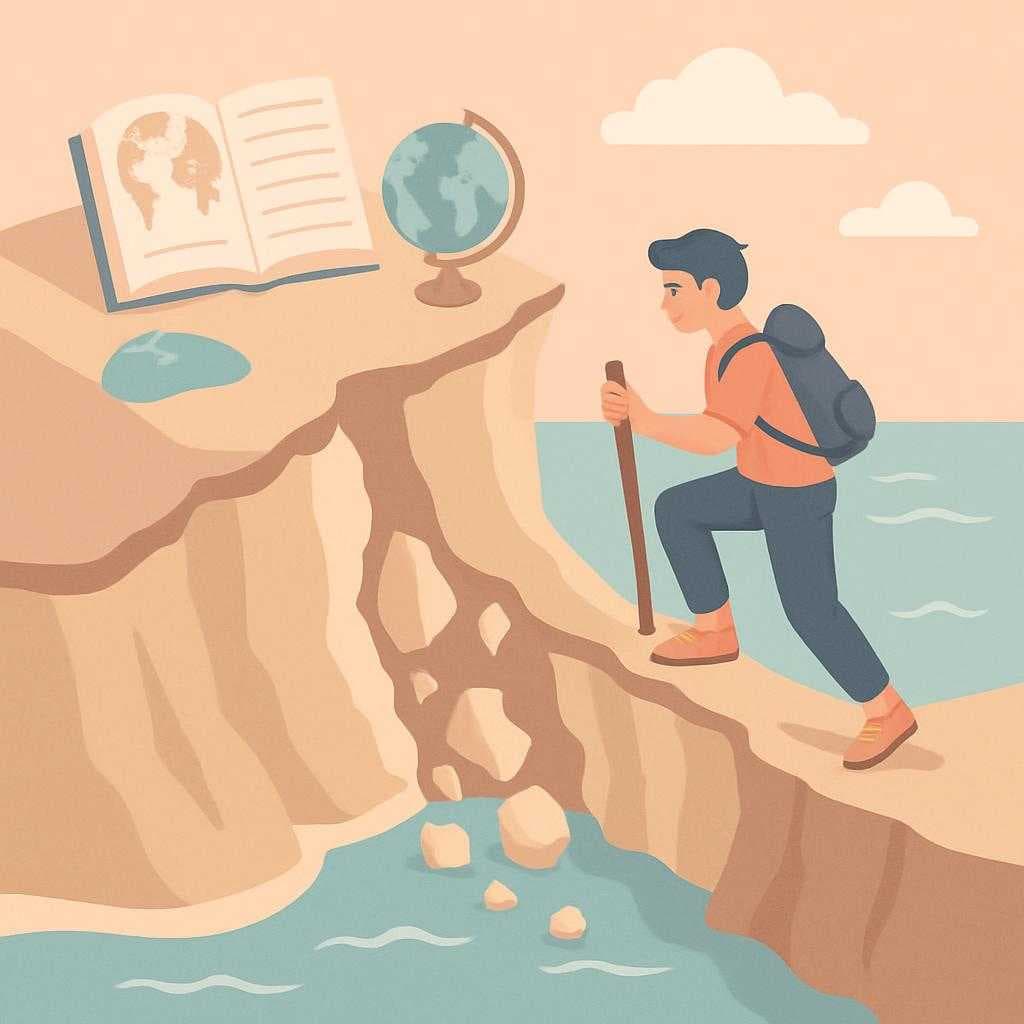
Conquer Your GCSE Geography Exams: Mastering the Art of Coastal Erosion
Summary
Dive into the captivating world of coastal erosion with this targeted GCSE Geography guide. Unravel key processes, case studies, and exam strategies to ace your exams with AQA, Edexcel, and OCR.
Coastal erosion is a fascinating yet complex topic that features prominently in the GCSE Geography curriculum across various UK exam boards like AQA, Edexcel, and OCR. Understanding the processes and impacts of coastal erosion can help you excel in your exams and develop a deeper appreciation for the dynamic landscapes that shape our world.
Understanding Coastal Erosion Processes
Coastal erosion involves the breakdown and removal of rocks and sediments along the coastline, primarily driven by the relentless forces of waves, tides, and currents. Key processes include:
- Hydraulic Action: The force of water crashing against the coast compresses air in cracks, leading to rock breakage.
- Abrasion: Waves armed with sand and pebbles scour the coast, wearing it down.
- Attrition: Rocks and pebbles collide and break into smaller, smoother pieces.
- Solution: Soluble materials dissolve in seawater, contributing to erosion.
Understanding these processes is crucial for tackling exam questions regarding coastal erosion. To gain an edge, begin by visualizing these processes through diagrams and fieldwork observations, where possible.
Diving into Case Studies
Case studies are indispensable for GCSE Geography exams. They provide real-world examples to illustrate theoretical concepts. Consider these UK-based case studies:
- Holderness Coast: Known for its rapid erosion rates, this coastline offers valuable insights into the impacts of hydraulic action and human intervention.
- Dorset's Jurassic Coast: A UNESCO World Heritage site, showcasing features like arches and stacks formed by erosion.
Familiarize yourself with these cases, focusing on geographical features, human impacts, and management strategies. Practice writing concise, structured responses using case study data, as this skill is often assessed by AQA, Edexcel, and OCR.
Tips for Exam Success
-
Master the Terminology: Understanding and accurately using geographical terms is key. Create flashcards to memorize definitions and processes.
-
Practice Past Papers: Familiarize yourself with the exam format. Analyze past papers from your exam board to understand question styles and mark schemes.
-
Diagram Skills: Many exam questions require annotated diagrams. Practice drawing and labeling key features like headlands, bays, and wave-cut platforms.
-
Time Management: Allocate time wisely during exams. Answer questions you are confident about first, then tackle more challenging ones.
By mastering the art of coastal erosion and integrating case studies, you can navigate the waters of your GCSE Geography exams with confidence. Whether you're with AQA, Edexcel, or OCR, these strategies will equip you with the knowledge and skills needed to achieve success.