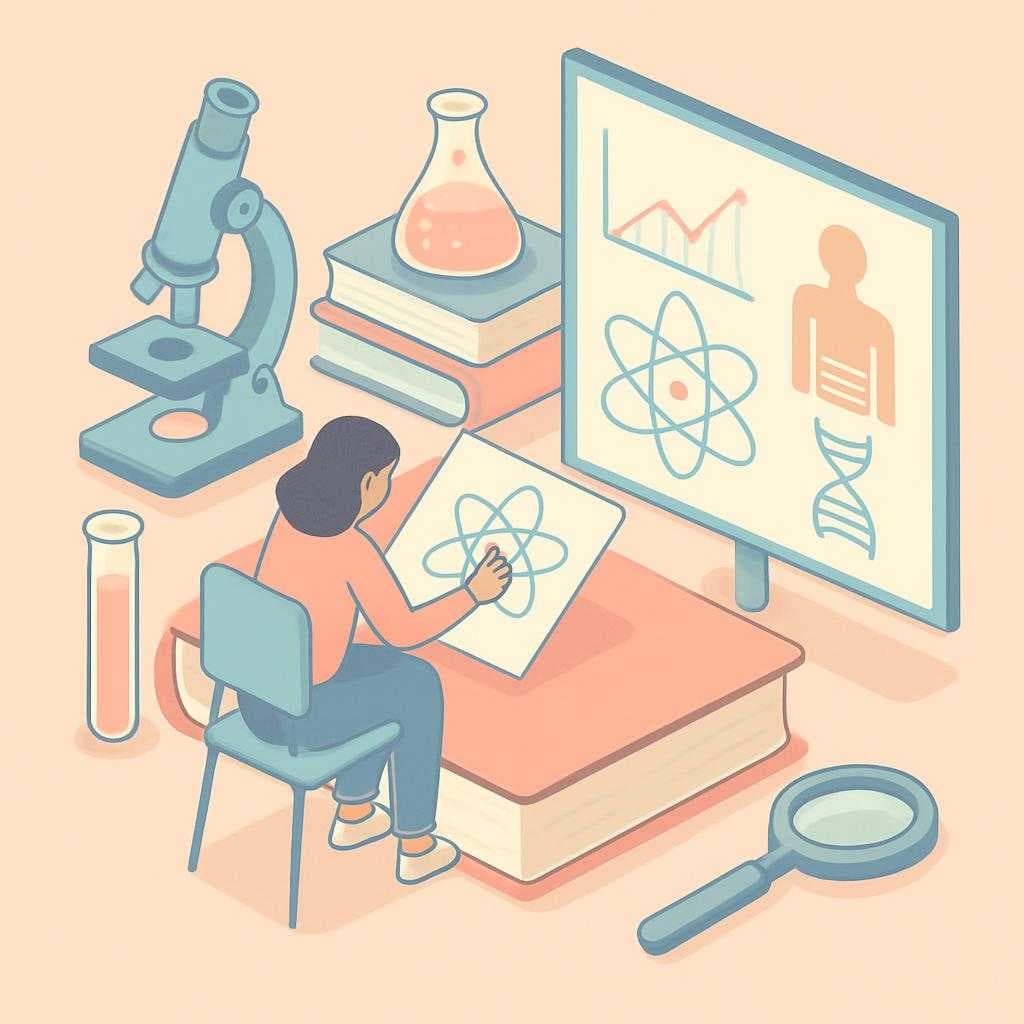
A-Level Combined Science: Harnessing the Power of Visual Learning for UK Exam Success
Summary: Dive into the world of visual learning techniques tailored specifically for A-Level Combined Science students in the UK. Discover how to leverage visual aids to enhance understanding and ace your exams with confidence, no matter which exam board you're under.
A-Level Combined Science is a challenging subject that requires a deep understanding of complex concepts across biology, chemistry, and physics. For students in the UK, this journey involves navigating the specific requirements of exam boards such as AQA, Edexcel, and OCR. One effective strategy that can significantly enhance your understanding and retention of scientific concepts is visual learning.
Why Visual Learning?
Research suggests that visual learning techniques can improve comprehension and memory retention. This is particularly beneficial in a subject like Combined Science, where complex processes and systems often need to be understood and recalled accurately. By transforming abstract concepts into visual formats, students can create a more tangible and memorable learning experience.
Creating Effective Diagrams
Diagrams are a staple of visual learning, especially in science. When studying topics like cellular processes or chemical reactions, creating your own diagrams can help solidify your understanding. For instance, drawing the stages of mitosis or sketching out the electron configuration of elements can provide clarity and aid recall during exams.
Tip: Use different colors to highlight various components or processes. This not only makes the diagrams more engaging but also helps in differentiating between steps or elements.
Mind Mapping for Conceptual Connections
Mind maps are powerful tools for connecting different scientific concepts. When preparing for exams, creating mind maps can help you see the bigger picture and understand how different topics interlink. This is especially useful in Combined Science, where interdisciplinary knowledge is key.
Example: Create a mind map that links the principles of thermodynamics in physics with chemical reactions and energy changes in chemistry. This approach aligns with exam specifications for boards like OCR, where integration across disciplines is often tested.
Utilizing Visual Aids in Past Papers
Practicing past papers is crucial for exam success. While doing so, incorporate visual aids to help analyze and answer questions effectively. For instance, when tackling a biology paper from Edexcel, use annotated diagrams to break down complex processes described in the questions.
Tailoring Visual Learning to Your Exam Board
Each exam board has its own style and focus. AQA might emphasize practical applications, while Edexcel could focus more on theoretical understanding. Tailor your visual learning strategies to suit the specific requirements of your exam board. Review the syllabus and past papers to understand the types of visual interpretation that are frequently required.
By integrating visual learning strategies into your study routine, you can enhance your understanding of A-Level Combined Science, making the path to exam success in the UK more achievable and enjoyable. Embrace the power of visuals and see the difference it makes in your exam performance!